
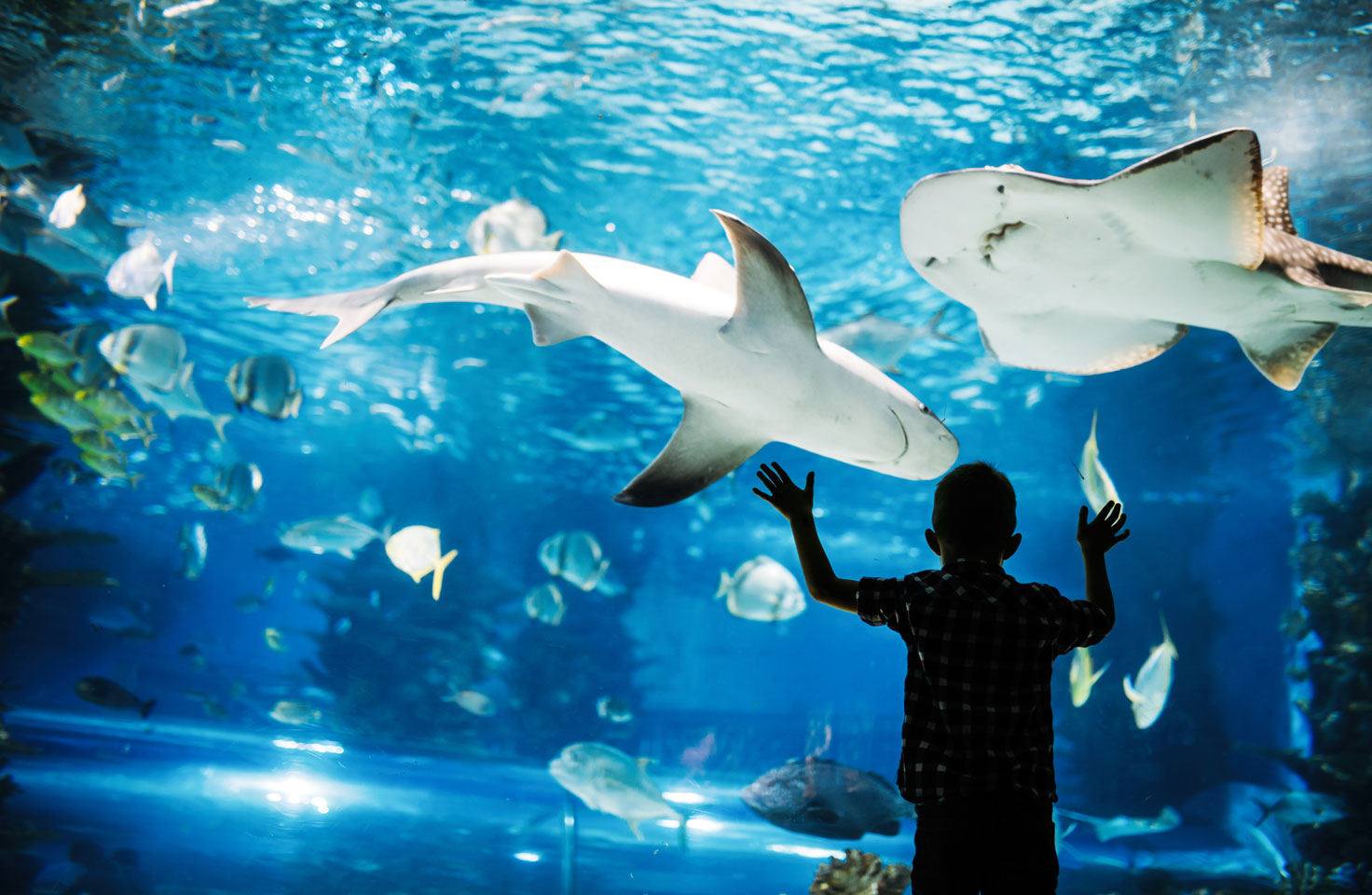
Whether it’s a sea lion habitat, penguin exhibit, freshwater river ecosystem, or interactive touch tank, every successful aquatic exhibit depends on something most visitors never see: the mechanical room.
Behind every crystal-clear viewing window is a complex network of pumps, filters, valves, chemical treatment systems, and circulation equipment working around the clock to maintain water quality. Unlike traditional commercial pools, zoological water systems must balance filtration efficiency with the unique biological needs of the animals that call these exhibits home. Even a brief interruption in water quality can affect animal health, exhibit operations, and the guest experience.
That’s why properly designed water infrastructure isn’t simply a maintenance consideration—it’s one of the most important investments a zoo or aquarium can make.
Every Exhibit Has Unique Water Quality Requirements
A penguin habitat presents different filtration challenges than an alligator exhibit. A freshwater river display requires different circulation patterns than a saltwater shark habitat. Some systems prioritize exceptional water clarity for guest viewing, while others focus on managing heavy biological loads from fish, mammals, reptiles, or aquatic plants.
The common denominator is reliability.
Every exhibit depends on water moving continuously through properly sized filtration systems, circulation pumps, and mechanical equipment to maintain healthy conditions twenty-four hours a day, seven days a week.
The Mechanical Room Is the Heart of Every Aquatic Exhibit
Visitors admire the animals, but facility managers know the mechanical room is what keeps an exhibit alive.
Behind the scenes, filtration systems remove suspended solids before they accumulate throughout the system. Pumps maintain circulation to eliminate stagnant water. Chemical treatment systems help stabilize water quality, while automated controls monitor critical operating conditions.
When these systems work together, operators spend less time responding to equipment issues and more time focusing on animal care.
When they don’t, small maintenance issues quickly become operational challenges.
That’s why United Industries works with zoos and aquariums long before equipment arrives onsite. We help evaluate hydraulic requirements, equipment layouts, service accessibility, and long-term maintenance needs so facilities can make informed decisions during planning—not after construction is complete.
Clean Water Does More Than Improve Appearance
Visitors immediately notice when exhibit water isn’t clear.
What they don’t see is how suspended solids affect system performance long before water clarity begins to decline.
As debris accumulates throughout a system, filters work harder, pumps lose efficiency, heat exchangers become fouled, and maintenance intervals increase. Left untreated, buildup can shorten equipment life while increasing energy and chemical consumption.
Proper filtration continuously removes contaminants before they circulate throughout the system, helping facilities maintain cleaner water while reducing wear on mechanical equipment.
The result is healthier aquatic environments, more consistent water quality, and lower long-term operating costs.
Engineering Water Systems That Last
United Industries doesn’t simply specify equipment—we help design complete water systems.
From mechanical room layouts and hydraulic planning to filtration, circulation, flow measurement, chemical treatment, and equipment selection, every recommendation is based on the specific needs of the exhibit, the animals, and the facility’s operational goals.
Through the SwimTime® Division, we provide commercial filtration systems and aquatic equipment trusted throughout the industry. Combined with mechanical room equipment from leading manufacturers, our team helps facilities build dependable systems designed for continuous operation and simplified maintenance.
Whether you’re designing a new exhibit or modernizing aging infrastructure, our goal is always the same: deliver a system that’s efficient today and serviceable for decades to come.
Supporting Facilities Long After Construction
Opening day is only the beginning.
Water systems continue evolving as exhibits mature, animal populations change, and equipment reaches the end of its service life. Pumps require replacement. Filters need upgrades. Control systems become outdated. Mechanical rooms expand to support new exhibits.
Because United Industries has spent more than seventy years designing and supplying commercial water systems, we understand that long-term support matters just as much as initial design.
Our experienced team continues working alongside facilities after installation, helping operators source replacement equipment, evaluate system improvements, and plan future upgrades without compromising existing operations.
A Partner for the Life of Your Facility
Whether you’re planning a new aquarium exhibit, renovating an existing habitat, or upgrading the mechanical infrastructure behind your facility, United Industries provides the engineering insight and commercial aquatic expertise to help you make confident decisions.
From filtration systems through SwimTime® to pumps, valves, chemical treatment, flow measurement, and complete mechanical room solutions, we help zoos and aquariums build reliable water systems that protect animals, support staff, and deliver exceptional guest experiences for years to come.
Call us today at 1-800-835-3272 for package offerings specific to your project.

Pumps are specified for each project based on:
- GPM at total dynamic head (TDH)
- Voltage, phase, and cycle
- Close-coupled or base-mounted configurations
- Self-priming or flooded suction requirements
- This ensures reliable circulation tailored to your facility — not a one-size-fits-all approach.
This ensures reliable circulation tailored to your facility — not a one-size-fits-all approach.


